What Happens When You Lead with How You Lead
What happens when you lead with how you lead?
When we talk about leadership effectiveness, we often focus on what you do. With DiSC, the focus shifts to how you show up — how you respond, relate, and influence in your real‑world environment.
Why Use DiSC
In coaching engagements where communication, relationship dynamics, and culture matter (which is always), the DiSC assessment becomes a smart choice.
Here’s why:
It provides a shared language for behavior: helping leaders and teams talk about style, preference, and patterns.
It surfaces your default tendencies — how you respond to challenge, engage with others, and operate under pressure.
It helps build understanding across the system — when one person changes behavior, others often do too.
Because it’s behavior‑oriented (not “better or worse”), it fits perfectly with development frameworks centered on growth, not judgment.
What It Measures
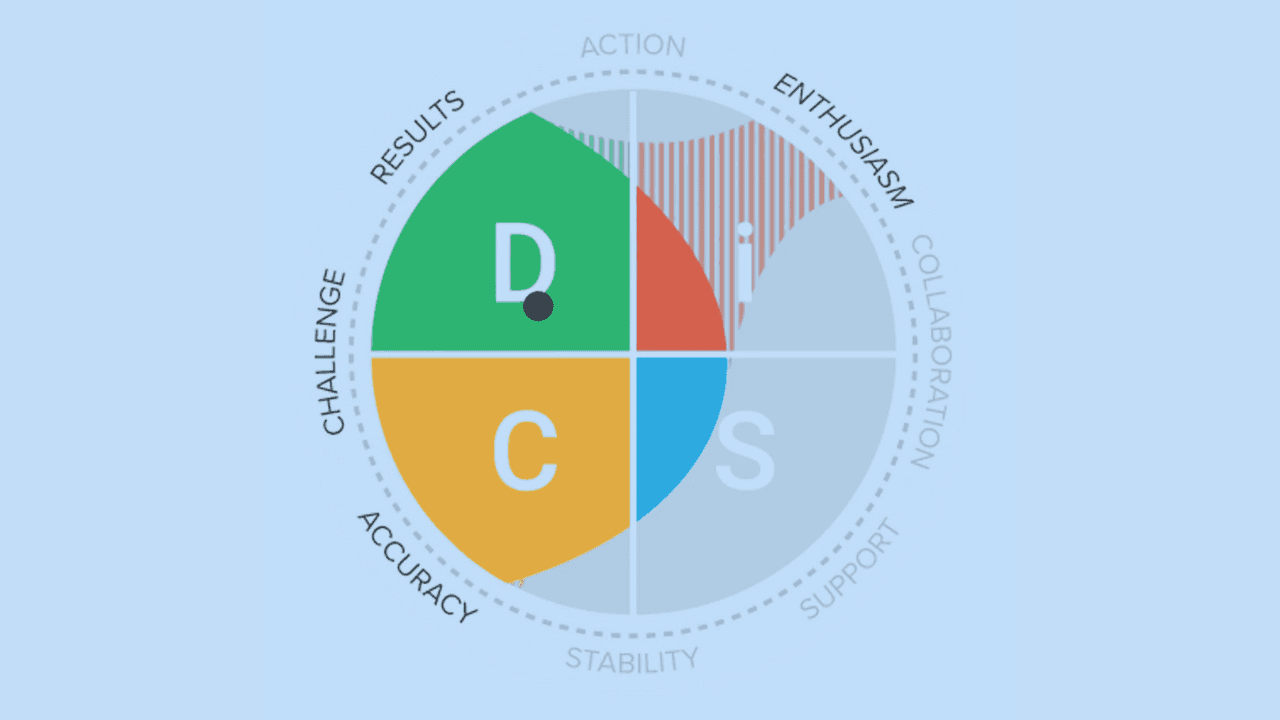
Here’s a breakdown of what DiSC evaluates:
D = Dominance – How you approach challenges and assert your will.
i = Influence – How you connect, persuade, and engage in relationships.
S = Steadiness – How you respond to pace, change, and stability.
C = Conscientiousness – How you deal with rules, data, precision, and quality.
The result isn’t just “you have a type.” It’s a nuanced profile — your dominant style plus blends, preferred environment, and how you flex when the stakes rise.
How We Use It Together
When we utilize DiSC in development, here’s the typical path:
Alignment – We begin by grounding the assessment in your leadership context: role, team, culture, where you’re heading.
Completion – Complete the DiSC questionnaire (takes ~20 minutes) in a moment of thoughtful presence.
Debrief – We explore your profile together, looking at what shows up, what surprises you, and what behaviors might shift your game.
Integration – We embed the findings into your coaching work: communication practices, team interactions, influence strategy.
Sustained Application – Because this isn’t a one‑and‑done quiz. We revisit, practice, adapt. Real change lives in repetition and real relationships.
When It Makes Sense
Consider using DiSC when:
You’re leading or being led by people whose style you don’t fully “get.”
Your team’s performance is solid — but dynamics, communication, or collaboration feel stuck.
You’ve moved into a new context (role, scale, culture) and old patterns aren’t translating.
You want a tool that speaks to behavior (not just mindset) and invites real conversations.
If you’re ready to map not just what you’re capable of — but how you lead — then DiSC offers a clear, practical lens into the patterns that matter.